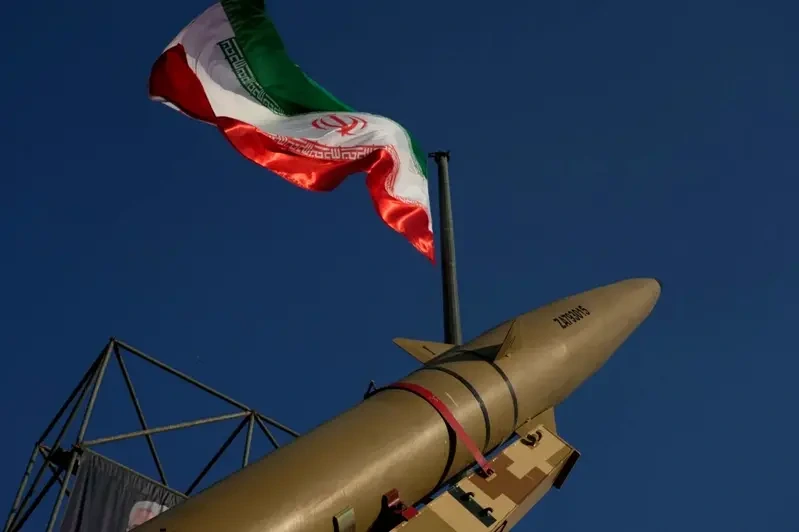
Iran is fortifying its nuclear facilities, mobilizing the public for potential conflict, and threatening a broader, more ferocious counterattack against U.S. forces and their Persian Gulf allies should the U.S. resort to military action again; these moves aim to deter U.S. President Donald Trump from launching airstrikes following the midterm elections.
According to The Wall Street Journal, sources familiar with the matter revealed that Iran has warned regional officials that a renewed conflict could trigger attacks on Saudi oil facilities or even cross-border troop incursions. High-ranking Iranian officials have also singled out the United Arab Emirates, regional data centers, and undersea internet cables as potential targets, while signaling to mediators that they could sink U.S. warships and inflict casualties on American troops.
While Trump ruled out an attack on Iran prior to the November 3 election, he has publicly stated that he is considering bombing its nuclear facilities. A third U.S. carrier strike group and another Marine Expeditionary Unit are currently en route to the Middle East, and the Pentagon is evaluating the deployment of additional air defense equipment and munitions.
Unable to withstand the U.S. military’s advanced fighter jets, bombers, and cruise missiles, Iran relies heavily on threats to deter an offensive. Such hardline posturing also helps divert public attention from economic hardships. Meanwhile, the U.S. is intensifying sanctions and pressuring airlines to halt flights to Iran, further tightening the blockade.
The two sides have largely maintained a ceasefire since late July, partly due to U.S. concerns regarding insufficient stockpiles of interceptor missiles. Iran has used this lull to rebuild missile and drone facilities and replenish its weaponry. Satellite imagery shows Iran erecting earthen berms around nuclear sites to hinder ground raids, while also constructing shelters and stockpiling backup supplies at airports, ports, and power plants.
Simultaneously, Iran has ramped up pro-government rallies, using billboards to recruit citizens for training in the use of shoulder-fired anti-aircraft missiles and sniper rifles, and even dispatching paramilitary personnel to kindergartens to share stories about war.